


For an appliance repair business, your service vans are much more than transportation. They are mobile warehouses, rolling billboards, and your primary revenue-generating assets. Every completed service call depends on a reliable vehicle arriving on time with the right parts on board. Yet because fleet expenses happen incrementally (a tank of gas here, a set of brake pads there, an unexpected alternator failure on a Tuesday morning), unmonitored fleets quietly bleed thousands of dollars in annual net profit.
When fuel prices fluctuate and vehicle replacement costs remain high, getting the most efficiency and longevity out of every van in your fleet becomes a critical competitive advantage. Moving from reactive vehicle management to a disciplined, data-driven fleet strategy protects your margins and keeps your technicians focused on fixing appliances rather than waiting on tow trucks.
Here is how to take control of your fleet overhead using telematics, consistent preventive maintenance, and smarter van stock and weight management.
1. Leverage Telematics Beyond Simple GPS Tracking
Many shop owners install GPS trackers solely to see where their vans are during the workday. Location visibility helps with dispatching, but modern telematics platforms (systems that combine GPS with engine and driving data from each van) provide much deeper information. Used well, that data can reduce fuel consumption, support lower insurance premiums, and extend vehicle life.
- Monitor and Coach Driver Behavior: Aggressive driving, such as rapid acceleration, hard braking, and speeding, can lower fuel economy by roughly 15% to 30% at highway speeds and speeds up wear on tires, brakes, and transmissions. Use your telematics dashboard to generate weekly driver safety scorecards. Rather than using the data punitively, share the metrics openly with your team and tie safe driving scores to monthly safety bonuses or gift cards. Some insurers also offer discounts to fleets that can document safe driving, so ask your agent.
- Eliminate Excessive Idling: Technicians often leave vans running to keep the air conditioning or heat on while they complete invoices, order parts, or call customers. An idling van typically burns around half a gallon to a full gallon of fuel per hour while going nowhere. Set telematics alerts for idling longer than five or ten minutes, and adopt a clear policy on shutting off engines during administrative tasks, with reasonable exceptions for extreme heat or cold.
- Track Cost per Mile: Each month, calculate cost per mile for every van (fuel, maintenance, and repairs divided by miles driven). It shows which vans are the most expensive to run and whether your changes are working.
- Be Transparent with Your Team: Tell technicians in writing what the system tracks and how the data will be used. Some states require written notice of employee monitoring, and bonuses or gift cards are generally taxable to the employee, so confirm your policy with an HR or legal advisor.
2. Implement Consistent Preventive Maintenance Schedules
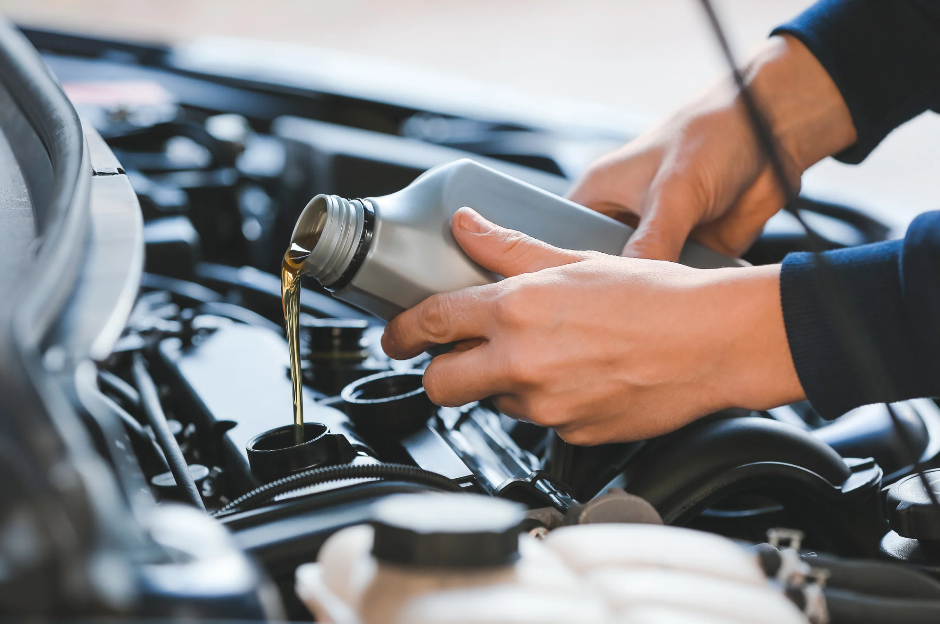
Waiting for a van to break down on the side of the road is one of the most expensive mistakes a service business can make. Beyond emergency towing and rush repair bills, an unexpected breakdown forces you to reschedule a full day of customer appointments, which hurts your online reputation and stalls cash flow.
- Automate Service Intervals: Don't rely on technicians to remember when a van is due for an oil change. Use your fleet management software or telematics odometer sync to send automatic maintenance alerts based on mileage and engine hours. Schedule oil changes, tire rotations, fluid flushes, and multi-point brake inspections during slower mid-week windows or staggered afternoon slots so your overall capacity stays steady.
- Require a Daily Pre-Trip Check and a Weekly Walk-Around: Have each technician do a quick check of lights, tires, and dashboard warning lights before the first call of the day. Then add a simple 10-minute walk-around checklist on the last workday of the week. Check tire tread depth and inflation (underinflated tires can reduce fuel efficiency by up to 3% and raise the risk of blowouts), top off windshield washer fluid, and look for fluid leaks and worn belts. Catching a worn engine drive (serpentine) belt or a slow tire leak at the end of the week prevents a breakdown on a busy Monday morning.
- Build a Relationship with a Commercial Fleet Mechanic: Establish an account with a reliable local commercial auto repair shop that prioritizes fleet vehicles. Having a dedicated partner who understands that downtime costs your business hundreds of dollars per hour supports faster turnaround times and transparent, pre-negotiated labor rates.
- Keep Exteriors Clean and Branded: Routine washes are not just about appearance. Removing road salt, grime, and debris prevents undercarriage rust and paint corrosion, which protects resale value when it's time to sell or replace a van. A clean, clearly branded van also advertises your business everywhere it parks.
3. Standardize Van Stock and Manage Weight

Overloaded service vans are silent profit killers. Van stock (the parts and supplies carried on each van) that includes hundreds of pounds of obsolete parts, redundant tools, and clutter forces engines to work harder, strains suspension components, lengthens stopping distances, and steadily drives up fuel costs. Check each van's payload limit, shown on the sticker inside the driver's door. Disorganized vans also waste technician time on every single call.
- Conduct Quarterly Van Stock Audits: Every 90 days, compare the stock in each van against your actual repair data. Remove slow-moving parts for obscure or outdated appliance models and return them to your central warehouse. Keep van stock focused on fast-moving parts, such as common drain pumps, igniters, thermistors, door latches, and water inlet valves, that drive a high first-time fix rate (the share of jobs completed on the first visit).
- Enforce Standardized Bin Layouts: Set up shelving and storage bins identically in every van. When every van follows the same organizational blueprint, technicians can find parts in seconds, managers can audit inventory easily, and backup technicians can step into a spare van without missing a beat.
Making Your Fleet Predictable
Your fleet will always be one of your largest operating expenses, but it doesn't have to be unpredictable. By pairing telematics insights with proactive driver coaching, following consistent preventive maintenance routines, and keeping your vans lean and organized, you can extend the working life of every vehicle. The result is lower overhead, fewer disrupted schedules, and a healthier bottom line for your business.

